Access Control & Exit Devices
From the busy corridors of the South Texas Medical Center to the office parks lining Loop 1604, Bexar County buildings face real security demands every day. Whether you manage a multi-tenant commercial property on Fredericksburg Road, a medical clinic near the Texas Trauma Institute, or a school campus in Converse, the right controlled-entry hardware is the first line of defense between your people, your assets, and whoever shouldn't be walking through your door. Bexar County Locksmith specializes in access control and exit devices — including the mortise lock systems that form the backbone of professional-grade commercial security — and our trained, insured technicians come directly to your location, 24/7.
Open 24 hours, 7 days a week · Licensed, bonded & insured
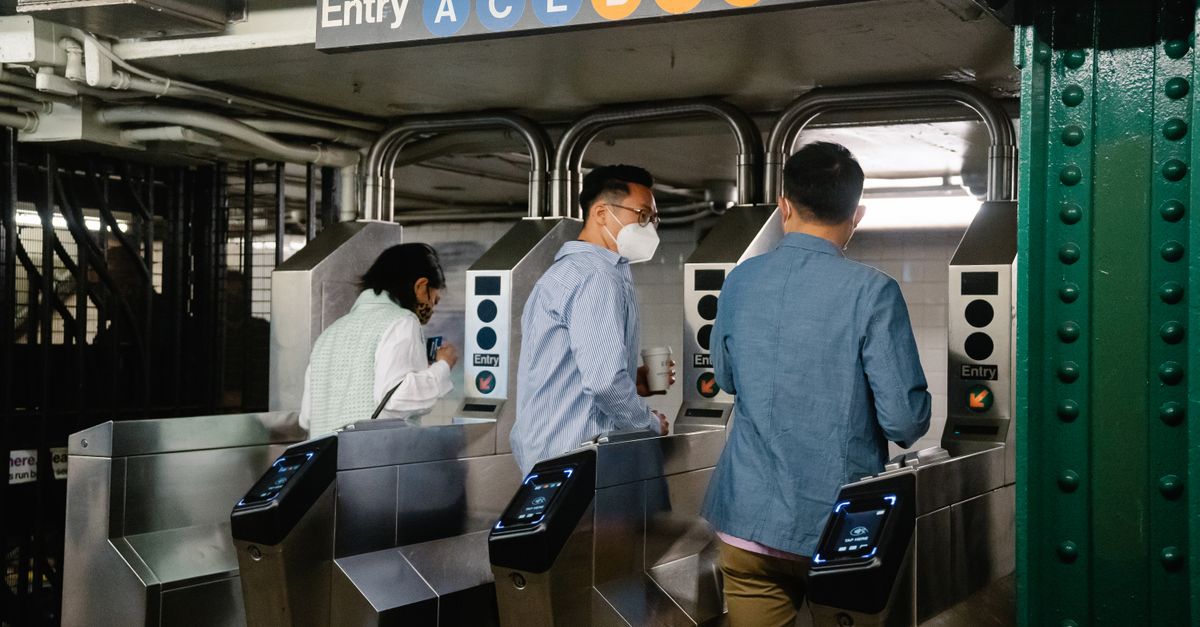
This page covers the full picture: keypads and credential readers, panic bars and push-rail exit devices, and the mortise lock access control hardware that ties it all together. If you're looking for an access control system installation near you in Bexar County, or need a same-day repair on a malfunctioning panic bar, you're in the right place. Our mobile team handles everything from initial planning through hardware sourcing, installation, and ongoing service — no subcontractors, no callbacks. Call (210) 512-4768 any time — we answer around the clock.
What we do
Available 24/7
Day, night, weekends and holidays — a real local locksmith answers and rolls a fully-stocked van.
Fast local response
Based in Bexar County, we reach the Bexar County area in well under an hour.
Insured & background-checked
Vetted technicians, up-front pricing, and no surprise add-ons when we arrive.
Damage-free entry
We pick and bypass locks the right way, so most lockouts are solved without drilling anything.
Why the Mortise Lock Is the Standard for Commercial Access Control
When a building needs to combine a deadbolt, latchbolt, and auxiliary functions inside a single heavy-duty chassis, the mortise lock is the answer. Unlike a cylindrical bored lock that relies on a thin tubular body, a mortise lock is set into a deep pocket in the door's edge, giving it far greater structural integrity and a much wider range of trim and function options. For access control applications — where a door must respond to keypads, key-fob readers, or card credentials while still providing a reliable mechanical backup — the access control mortise lock is the industry-standard platform. Schlage L-series, Falcon, and similar commercial mortise lines are built to accept electric strikes, request-to-exit sensors, and integrated reader mounts that a standard cylindrical lock simply cannot accommodate.
Our commercial locksmith technicians install and service mortise lock systems across Bexar County every week. We assess your door prep, frame condition, and access control requirements before recommending a specific function and trim — because a private office in an Alamo Heights professional building has different needs than a pharmacy storage room or a school administration suite on the North Side. Getting the function code right from the start prevents expensive do-overs, and our team walks you through every option before a single screw turns.
Keypads, Card Readers & Controlled-Entry Hardware for Buildings
Controlled-entry hardware is more than a keypad on the wall — it's a coordinated system of credential readers, controllers, power supplies, door contacts, and request-to-exit (REX) devices that must all communicate reliably. Bexar County Locksmith installs standalone keypad locks for smaller applications, such as a single office or utility room, as well as networked access control system installations that can manage dozens of doors, generate audit trails, and allow administrators to add or revoke credentials remotely. Wiegand-based card readers, proximity fobs, mobile-credential Bluetooth systems, and biometric readers are all technologies we work with — matched to the lock hardware already in place or to new mortise lock exit devices we supply and install.
For building owners along the 281 corridor or property managers overseeing multi-suite complexes near UTSA, a networked system means that when an employee leaves the company, their access is removed in seconds from a web dashboard — no rekeying, no chasing down physical keys. For smaller operators who want simple reliability, a battery-powered keypad deadbolt or access control mortise lock with a programmable keypad cylinder may be exactly right. We size the solution to the actual risk profile and budget of the project, and we confirm an exact up-front price before any work begins.
Panic Bars, Push Rails & Mortise Lock Exit Devices — Life-Safety Done Right
Exit devices — panic bars, cross-bars, and touch-bar push rails — are a life-safety requirement on most commercial egress doors under the International Building Code and NFPA 101, and Bexar County buildings inspected by the City of San Antonio Fire Marshal are no exception. A panic bar allows any occupant to exit quickly without operating a key or turning a knob, even in total darkness and under panic conditions. That same door, however, must also be secured against unauthorized entry from the outside, which is where mortise lock exit devices become critical. The panic bar's touchpad or cross-bar is mechanically connected to a mortise lock body — controlling the latchbolt and optional deadbolt simultaneously — so egress is always free while entry remains controlled.
Our technicians install, adjust, and repair Von Duprin, Detex, and comparable exit device brands, and we regularly service doors that have developed problems: bars that have lost tension, devices that fail to retract the latch fully, or electric-latch-retraction kits that have stopped responding to the access control system. A failing exit device on a rear egress door is both a fire code violation and a security gap. Because we're a 24/7 mobile operation, an emergency locksmith call about a panic bar that won't latch — or won't unlatch — gets a real technician dispatched, not an answering service. Reach us any time at (210) 512-4768.
Access Control System Repair, Replacement & What Determines Your Quote
Access control system repair covers a broad spectrum: a dead battery in a keypad lock, a failed power supply to an electric strike, a damaged mortise lock case that needs to be swapped without disturbing the door prep, or a controller that has lost its programming after a power surge. Our trained technicians diagnose the issue on-site, explain what failed and why, and present the repair or replacement options before touching anything. For access control system replacement — upgrading from an older proximity card system to modern encrypted mobile credentials, for example — we manage the full transition, including reprogramming door hardware and testing every access point before we leave.
Customers frequently ask how much a local locksmith charges for this kind of work, and what factors shape the final price. Here's the honest breakdown: the type and brand of hardware (a basic keypad cylinder versus a full networked mortise lock system), the number of doors involved, whether new wiring is needed, the time of day (overnight and weekend dispatch carries different labor costs), and travel distance within Bexar County all affect the total. We never quote a number over the phone that doesn't reflect the real scope — instead, we assess on-site and give you an exact, confirmed price before any work starts. There are no surprise line items when the invoice arrives. For straightforward access control system installation near me requests across San Antonio, Schertz, Helotes, or Live Oak, that transparent process is standard — not optional.
Our Access Control & Commercial Locksmith Services — What We Install and Service
Bexar County Locksmith's commercial and access control capabilities cover a wide range of hardware and service types, including: commercial mortise lock installation and replacement; access control mortise lock upgrades for existing door preps; standalone keypad deadbolt installation; networked multi-door access control system installation; electric strike installation and alignment; electromagnetic lock (mag-lock) installation with proper fail-safe or fail-secure configuration; request-to-exit (REX) sensor installation and adjustment; panic bar and cross-bar exit device installation; push-rail touchpad exit device repair; electric latch retraction (ELR) kit installation on mortise lock exit devices; door closer installation and adjustment to ensure proper latching with exit devices; door frame reinforcement for high-traffic commercial doors; access control system repair after power surge or failed components; access control system replacement for end-of-life or compromised systems; credential programming (cards, fobs, PINs, mobile credentials); user audit trail setup and administrator training; door contact sensor installation for alarm integration; wiring and low-voltage power supply installation for access control hardware; intercom and buzzer-entry system integration; delayed-egress device installation for high-risk egress points; surface-mount and mortise combination exit device installations; access control system locksmith near me mobile dispatch across Bexar County; rekeying of existing mortise lock cylinders within an access control retrofit; master key system design integrated with access control for mixed mechanical/electronic buildings; after-hours emergency response for failed commercial door hardware.
Serving Every Corner of Bexar County — Mobile, On-Site, Around the Clock
Bexar County covers more than 1,200 square miles, from the dense commercial strips along San Pedro Avenue and Bandera Road to the ranch-country edges near Helotes and the growing industrial corridors near Converse and Schertz. Our mobile operation means no shop drop-off, no waiting days for a service appointment — our van, stocked with mortise lock hardware, exit device components, and access control parts, comes to your building. Whether the call comes at 2 a.m. from a property manager whose rear door won't secure, or at noon from a general contractor who needs three doors prepped for a new access control system installation on a job site off Blanco Road, we dispatch the same trained, insured team. Call (210) 512-4768 — we answer 24/7 and serve every zip code in Bexar County.
Frequently asked questions
What is an access control mortise lock and why does my commercial building need one?
An access control mortise lock is a heavy-duty lock chassis set into a pocket in the door's edge. Unlike standard cylindrical locks, it contains multiple locking functions — latchbolt, deadbolt, and auxiliary latch — in one solid case and is designed to accept electric strikes, keypad cylinders, or card readers as part of an integrated entry system. Commercial buildings need them because they handle high traffic, must meet code requirements, and need to support both electronic credentials and mechanical key override without sacrificing door integrity.
How much does an access control system installation cost, and what affects the price?
There's no universal flat rate — the final quote depends on the number of doors being outfitted, the type of hardware selected (a standalone keypad deadbolt versus a networked mortise lock system with electric strikes and card readers), whether new low-voltage wiring is required, the time of day we're dispatched, and travel distance within Bexar County. What we commit to is confirming an exact, itemized price on-site before any work begins — so there are no surprises when the job is complete.
Can you repair a panic bar that won't latch properly — and do you come out after hours?
Yes on both counts. A panic bar that fails to retract or hold the latch is both a security risk and a potential fire-code violation, so we treat it as an urgent call. Our technicians diagnose the issue on-site — worn touchpad linkages, misaligned strike plates, failed electric latch retraction kits, or a damaged mortise lock case — and carry common exit device parts on the van for same-day repair. We dispatch 24/7, including nights, weekends, and holidays across Bexar County.
What's the difference between an electric strike and a magnetic lock, and which is right for my door?
An electric strike replaces the fixed strike plate in the door frame and releases the latchbolt electronically, allowing the door to swing open when a valid credential is presented — while the lock hardware on the door itself stays intact. A magnetic lock uses an electromagnet mounted on the frame and a steel armature plate on the door; there is no mechanical latch. Mag-locks are typically fail-safe (they release on power loss), making them common on interior access points. The right choice depends on your door type, egress requirements, and whether the door already has a mortise lock body. Our technicians assess those factors before recommending anything.
My building is older — can you retrofit access control onto existing doors without replacing the whole door and frame?
In many cases, yes. If the door already has a mortise lock prep (a standard pocket in the edge), we can often install an access control mortise lock in the existing cutout, add an electric strike in the frame, and wire a keypad or card reader with minimal invasive work. Doors without a mortise prep may need a new cutout or a surface-mounted solution. We inspect the door, frame condition, and hardware on-site before confirming what's feasible — and we work to minimize damage to finished surfaces wherever possible.
Do you handle access control system replacement for businesses upgrading from older card systems?
Yes. Upgrading from an older 125 kHz proximity card system to a modern encrypted credential platform — or replacing a failed controller and reader infrastructure — is a service we handle regularly for Bexar County commercial clients. We document the existing door hardware, map the wiring, install the new controllers and readers, reprogram door-level access rules, issue new credentials, and test every access point before we leave. We also train the on-site administrator on the new system so they can manage users going forward without calling us for routine changes.